Survey finds no early human traces at Arabian palaeolakes
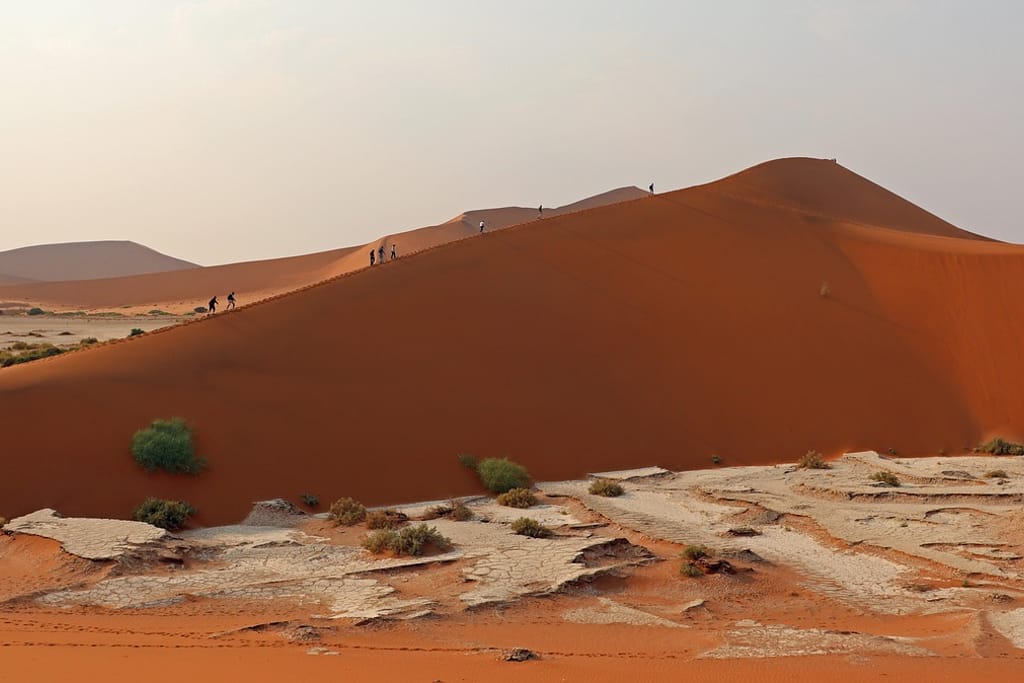
Jeffrey Rose and colleagues surveyed about 1,500 km of the Rub' al Khali sand desert, where lakes formed 125,000 to 70,000 years ago. They found no hunter-gatherer activity at any palaeolake site they examined. The work is peer-reviewed and appears in Nature.
The team uses this result to argue that access to stone was an overlooked factor, beside fresh water, in where early people settled. This challenges the idea that water alone predicts settlement, which matters for how Homo sapiens spread out of Africa. One caveat applies: finding nothing at survey sites does not prove that people were never there.