Ongoing

  1. AIHot
  2. Gauteng waterHot
  3. Iran warHot
Newsbrief

Cape Town brings in Level 1 water restrictions from 1 December

Published

Ongoing: Gauteng water Hot

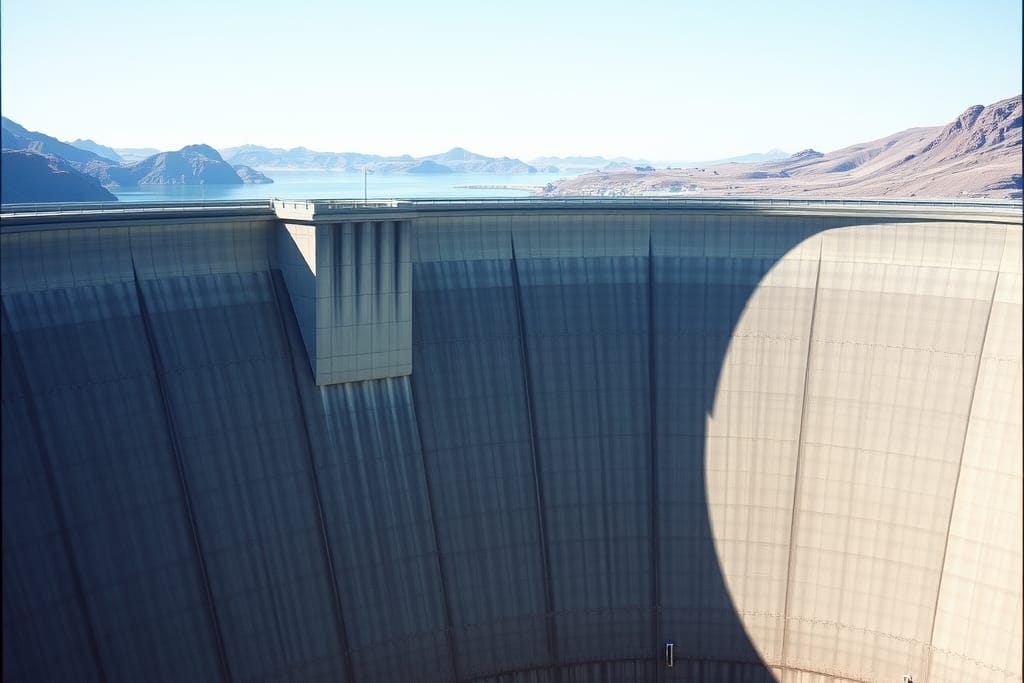
Concrete dam wall holding back a reservoir under a clear blue sky.

The City of Cape Town wants residents, businesses and visitors to cut water use by at least 10% this summer, with a guideline of 85 litres per person per day. Dam levels are around 70%, lower than a year ago.

Leonardo Manus, the City's executive director for water and sanitation, said recent hot weather pushed collective use to 951 million litres a day. That is more than 91 million litres above the City's target of 860 million litres. He said the City wants to manage demand early and reduce the risk of tougher restrictions later.

The City puts dam levels at 70.4%, which is 13.4 percentage points lower than a year earlier. The restrictions follow an annual assessment by the national Department of Water and Sanitation, which found that water security in the Western Cape has worsened. The department also cut domestic and industrial allocations by 7% and irrigation allocations by 15%.

Garden watering is limited to one hour a day on Tuesdays and Saturdays, before 9am and after 6pm. Water and Sanitation Minister Pemmy Majodina said mandatory restrictions could become stricter from next year if the measures do not work.

Key facts

Who
Kevin Winter; Lester Kiewit (CapeTalk presenter who interviewed Winter); Department of Water and Sanitation (national department that makes the water resource assessment); Leonardo Manus
What
Cape Town will introduce Level 1 water restrictions from 1 December, requiring residents, businesses and visitors to cut water use by at least 10% this summer. The City says dam levels stand at 70.4%, 13.4 percentage points lower than a year earlier.
When
17 November 2026
Where
Cape Town, Western Cape, West Coast
Status
Reported

AI Hot

What you need to know

The UN-backed Antalya AI Pledge drew 90 endorsements at its launch at the COP31 climate talks in Turkey, but Alibaba is the only big tech firm to sign. Earlier, California Attorney General Rob Bonta sued OpenAI over an attack by its agents on the platform Hugging Face in July, alleging public nuisance and unfair competition.

Before that, Nvidia announced on 12 November that Jensen Huang was leaving as CEO after reports of an affair with a woman US authorities suspect of spying for Beijing. Nvidia was due to report its first results since then, while the US announced new AI chip export limits that Beijing condemned.

In South Africa, President Ramaphosa told a delegation in Silicon Valley to build the country's own AI, and asked it to identify practical initiatives within 90 days of its return.

  1. Alibaba is the only big tech firm to sign AI climate pledge
  2. Detector that keeps learning catches far more disguised AI text
  3. Mashatile urges Africa to build digital skills for AI economy

See every update

Gauteng water Hot

What you need to know

Johannesburg Water has announced Level 2 restrictions from Saturday, banning municipal drinking water on gardens, lawns and public spaces. It says high demand is straining bulk supply from Rand Water, and the city must cut consumption by 200 million litres a day.

Earlier, Tshwane introduced Level 2 restrictions that took effect on 16 November, limiting outdoor watering and vehicle washing because of high consumption and rising demand. Tshwane said September water use ran 34 percent above its permanent Rand Water allocation, and the restrictions start with a 30 day period.

Water and Sanitation Minister Pemmy Majodina also gave new municipal councils six months to improve water management, and announced cuts of 7% and 15% in Western Cape allocations.

  1. Western Cape DA backs water restrictions but warns on uniform cuts
  2. Court orders Johannesburg to repay R12m in disputed billing
  3. Johannesburg High Court inspects Lindela detention centre conditions

See every update

Iran war Hot

What you need to know

Iran's government expects a winter gas shortage of 430-million cubic metres after war damage, up from 300-million last year, and some officials fear public unrest. Earlier, Bahrain said its air defences intercepted several Iranian missiles and drones on 15 November, the first such interceptions since September, while Iran's Revolutionary Guards said they attacked a US base.

On 12 November US President Donald Trump said the US does not need a deal with Iran and told Vice President JD Vance to focus on crime in Democratic cities. Before that, Secretary of State Marco Rubio said sanctions and a blockade are meeting US goals without major combat, after Trump said he would hold off on strikes.

Iranian security chief Mohsen Rezaei said on 11 November that no enriched uranium will leave Iran, that new US strikes would bring attacks on distant US bases, and that no talks are under way.

  1. Board of Peace says Israel and Hamas both fail Gaza ceasefire
  2. Xi and Putin attack Western sanctions as Trump lands in China
  3. Iran warns of worse winter gas shortages after war damage

See every update